

Search
105 results found for "Sheila Zagula"


“Getting to Know You” Activity for the New School Year
 It’s never too early to begin planning for a new school year. I know that my colleagues and I were always preparing our classrooms and sharing ideas all summer long! Here is a simple idea for the first day of school to use with students. This activity may be modified to meet the needs of your students. You can use MindWing’s Icon STAMPede Stamp Activity Set to print the paper. (You can use the other stamps for activities to reinforce the Setting, Kick-Off, Feelings, etc.) 1. Review the SGM icons. Talk about the Character icon. 2. Print as many character icons as needed, two of each color. 3. Laminate and cut the icons out. (These may be used all year to group students for other activities as well and are easily stored to be used with your groups!)...


SGM Summer Reading List - Part 2
 We received many positive comments about our blog last week, Story Grammar Marker Summer Reading List, which featured ten resources focusing on the Complete Episode. This week, we have included eight previous blogs that focus on the concept of Character. Please review them all, as they span across multiple grade levels. This sampling of Character blogs demonstrates the versatility of the SGM! There are many more resources to support the use of our SGM tools available free of charge on our MindWing website...


Organizing Your SGM Materials for the New School Year
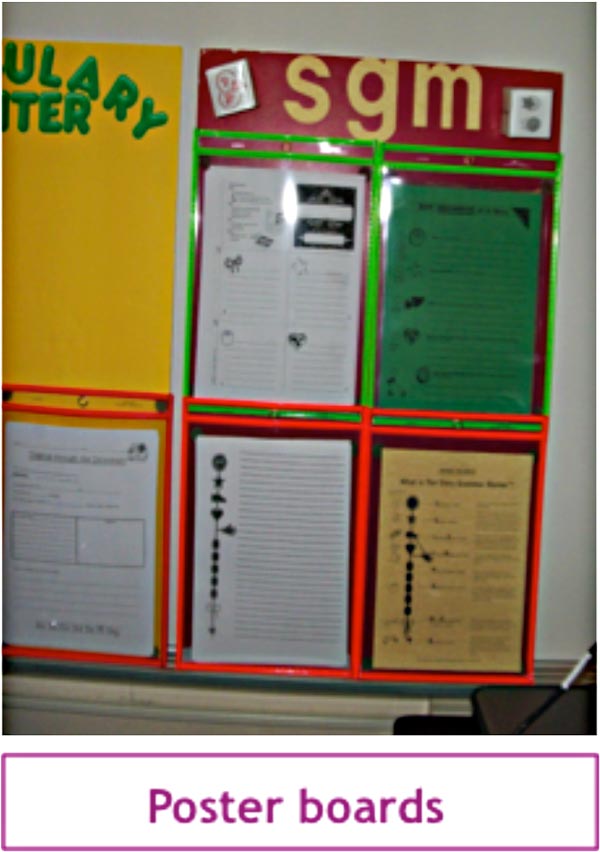 As another school year winds down, I am reminded of what I always loved about teaching: There was always another year to plan to engage children, change approaches, learn new techniques, and grow as a professional!
As you pack up supplies and begin a few weeks of rest, file this idea away with your materials to consider implementing next year. This picture is an idea that Natalia Kofman, a colleague of mine in Westfield, MA, used to organize her SGM® materials in her fourth grade classroom...


Collaboration in the Classroom with Story Grammar Marker® & Big Al
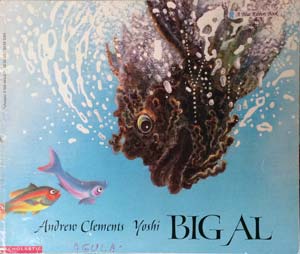
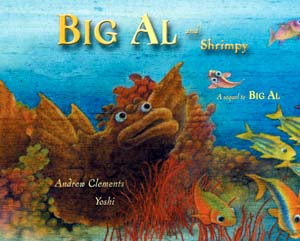 Big Al, written by Andrew Clements and illustrated by Yoshi, was always one of my key books when working collaboratively with teachers as we implemented the SGM in classroom settings. There was so much to do with this picture book including mapping the story out as a Complete Episode using the SGM® map, retelling the story with partners, doing a written retelling using the completed map, working on character description using the SGM® Character Map, sequencing of events in the story, and using sequence words for story cohesion. Students and teachers alike were delighted to learn that Clements and Yoshi had teamed up in 2002 for another book featuring Big Al…Big Al and Shrimpy. Both stories begin with the same wording which created a natural segue to compare/contrast activities...


Hands-On Activities for Beginning, Middle and End of a Story
 Asking students to tell or write a story with a beginning, middle, and end is a daunting task for most. Teaching the narrative structure in a developmental fashion using the SGM methodology is a powerful tool to instruct students in language, comprehension, and writing. The SGM® is an iconic-based tool that (developmentally) represents the necessary elements of story grammar and story organization. We have received a great deal of positive feedback on our post from March 29, 2016, Fun Activity to Reinforce the “Kick-Off” using the Kick-Off icon and the book The Doorbell Rang...


Lessons & Activities for Feelings and Reactions
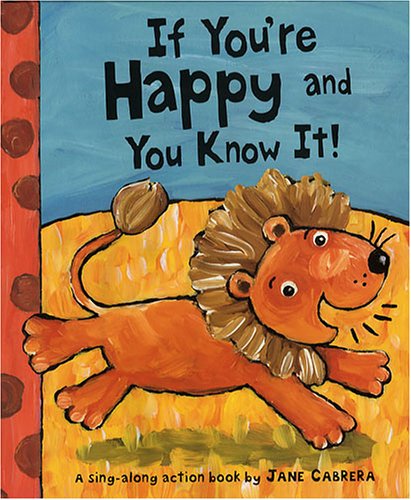 “If you’re happy and you know, clap your hands!” How many of us remember and still occasionally sing this old camp song? There are many versions of this song on YouTube that you could access as a jumping off point for a similar activity to the one described below or you may use books of your choosing if you cannot find the two books below in your local library. Read or sing If You’re Happy and You Know It by Jane Caberra to your students for enjoyment. Make a list of all the actions/activities mentioned in the book on the white board...


Read Across America Day & Dr. Seuss Lesson!
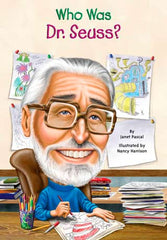 As always, I began writing my lesson by gathering my focus book and Story Grammar Marker® Mini-Posters. Since the children enjoyed our recent Rosa Parks read aloud Who was Rosa Parks? written by Yona Zeldis McDonough, this week I chose Who Was Dr. Seuss? written by Janet B. Pascal from the same series. I planned the lesson to coincide with Read Across America Day on March 2, which is Dr. Seuss’ birthday. The lexile measure of this book is 820L. The following lesson suggestions were designed for grades 3 and 4. Lessons may be modified to meet your student’s needs. Many people ask how I go about creating lessons to use the SGM®. Really, it is the opposite thinking, as I always have asked myself: How can the SGM® be used to enhance the lessons I already do and target skills that I am trying to teach?...


Compare and Contrast Characters
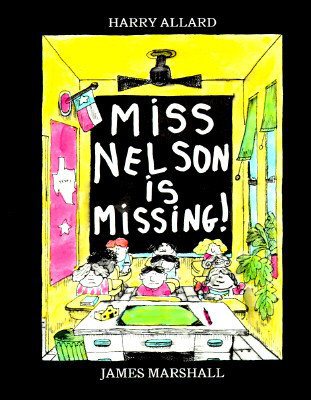 Miss Nelson Is Missing, written by Harry Allard and illustrated by James Marshall, is one of my favorites for comparing characters. It is a book that may be used at a variety of levels. Read the story for enjoyment. After, discuss the “two” characters, Miss Nelson and Miss Swamp.
Fill out individual character maps for each character or fill out one map for both characters as shown below which was done with a third grade class. Have children talk about the map(s) with one another.


Part 2: “Hilda Must Be Dancing” and “Giraffes Can’t Dance” — Compare and Contrast
 Review the two stories with the children using the narrative icons/map and present the Compare/Contrast Map on a white board (or chart paper, depending on your situation). I set it all up ahead of time.
Begin by explaining the map to the children. Then, suggest that we start thinking of ways the two stories are the same/different using the SGM retelling icons. Start with the Character icon. Ask the children how Hilda and Gerald are the same/different...


Character and Setting, Fun Activities
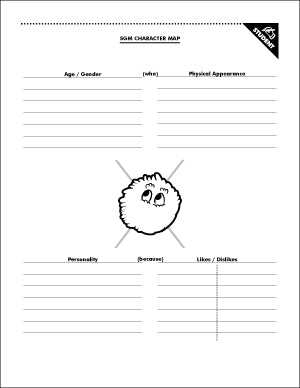

Are you looking for a quick lesson to reinforce the SGM or Braidy Character Map? Have students each fill out a character map or work with a partner to fill out the map in an interview format: • How old are you? • What best describes how you look? • What are you like as a person? • Are you friendly? • Are you curious? • What do you like (to eat, to do, etc.)? • What don’t you like?...


The Trumpet of The Swan
By E.B. White -- Names and physical description of Characters are generally not problematic for a child. However, personality traits, motivation, and perspectives are more difficult. Multiple characters may be difficult to hold in memory. Our Character maps help in this area (Braidy the StoryBraid map, Story Grammar Marker map).


Two Summer Books (and More) with Feelings!
 As a former teacher of 38 years, I know summer is a time for educators to catch some much-needed R&R with family and friends. It is also a time to reflect on the past school year; what we thought went well and what changes we can make in the upcoming school year to improve student learning. I am always on the lookout for new books/materials to add to my lessons and recently came across two books that may interest you...


“Maniac Magee”: Exploring Character & Setting in Novels (with FREE Downloadables)
 One of the novels that we explored in sixth grade was Maniac Magee by Jerry Spinelli. Our focus varied, depending on our students, and my task was always to provide the scaffolding using the SGM® for classroom presentations—making the lessons accessible to all our students, including those with IEPs. Our elementary school used Braidy®/SGM® at all grade levels so that by the time students were in upper elementary, they were well-versed in using the icons for both narrative and expository texts. The beauty of the SGM®, however, is that the icons are easily learned and students can successfully participate in lessons in a few introductory sessions...


“New Year” Lesson Idea with 3 Books and 1 FREE Worksheet


My father always told us to begin our essays with a clear definition of the topic. Thus, a promise to do something differently in the new year defines what many of us will be thinking of as 2018 rolls in! Several years ago, we presented a blog, “SGM is 25 Years Old & New Year’s Resolution Worksheet,” with a free downloadable for your classroom use. The worksheet, which would make an enjoyable group book for your classroom or with a few added touches, a bulletin board, has been updated and is available at right, modify as you wish...


Do-It-Yourself Ringed Cards for Teaching Beginning, Middle, End & Story Development
 Recently, I saw a clever sound blending idea on Pinterest using rings and small cards. It reminded me of our very popular blog using popsicle sticks to teach story elements using the Story Grammar Marker®. With these thoughts in mind, here are two ideas that are simple to make and easy to transport from one site to another making them ideal for teachers/


6 Attempts to Friend “Dear Mr. Leprechaun”
 To Maryellen: “Wishing you good luck and true friendship forever!” This was the inscription that author Martin Nelson Burton wrote in November 2004, on Maryellen’s copy of Dear Mr. Leprechaun, Letters From My First Friendship. This is a delightful, true tale based upon the author’s childhood writings to his leprechaun friend. The original letters and the responses (written by the author’s father, aka The Leprechaun) are presented in the book. On each page, there is a leprechaun that younger children will enjoy searching for. The beautiful artwork of Clint Hansen was created with paper sculpture. The last page of the book gives a brief description of the sculpture process that children and adults will find fascinating...


DIY SGM® Icon Stickers for Reinforcing Parts of the Story

 Are you looking for a way to reinforce SGM icons with students in your small groups? Using the stamps from our Icon Stampede Stamp Activity Set and Post-It Filing Tabs, create a set of icons as shown below. I picked up a clipboard to store them in order. Notice how the set of Post-It notes are green, yellow, and red to correspond to the beginning, middle, and end of a story. Various sizes are available; you may also decide to cut the larger ones in half, depending on your needs. I like the 2 inch by 1½ inch size, as I found them easy to remove...


6 Ideas for Perspective-Taking, Character Traits & Conflict Using “Wonder” by R.J. Palacio
 My daughter’s book club chose “Wonder” by R.J. Palacio and she recommended it to me. This is a book that would support discussions centering on feelings, living in a community and what it means, developing empathy towards others, and the acceptance of differences, to name a few. The format of the book definitely lends itself to teaching perspective taking. There are many ways to approach this book within classrooms or therapy settings. Of course, the deciding factor would be the goals and objectives for your particular students...


Penguins: The COOL Topic For Narrative and Expository Text!
 A recent posting shared on MindWing’s Facebook page (http://tinyurl.com/pierrewhitneyslp) showed a fantastic SGM® lesson by Whitney Chitty Smith of “Let’s Talk with WhitneySLP,” related to the book, Pierre the Penguin, A True Story, written by Jean Marzollo and illustrated by Laura Regan. After viewing this terrific post (Thank You, Whitney!), I immediately went to the top drawer of my desk and pulled out the book. I had started a blog entry for this book back in November and had never completed it!...


Brrr...Winter is here!
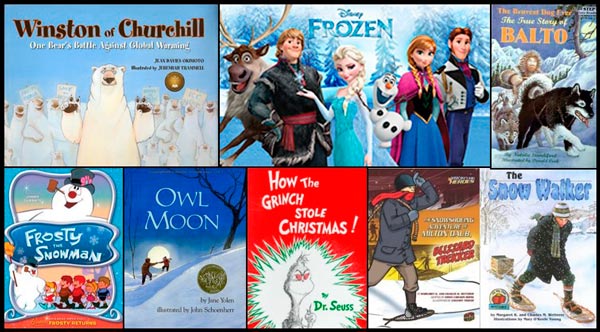 With snow predicted in many locations and some areas already under a blanket of snow, check out our very popular blog post from last year: Reading Lessons and Blogs About the Winter Season.
Stay warm!


Reinforcing The Critical Thinking Triangle in a Chapter Book
 Students and I were recently discussing if anyone could really be “perfect.” I was reminded of Be A Perfect Person In Just Three Days! by Stephen Manes. This book was originally published in 1982 and remained a favorite read aloud of mine for many years. As I began to use the Story Grammar Marker®, this selection provided a concrete example of using the SGM® with a chapter book. It is the perfect match for a Complete Episode. From the very obvious Kick-Off to the lesson learned at the end, the book was an entertaining, fun read-aloud for students in grades 3 and 4. We have outlined the book as a Complete Episode— expand on it as you wish. Each Attempt could also be mapped out as a Complete Episode...


Write a Response!
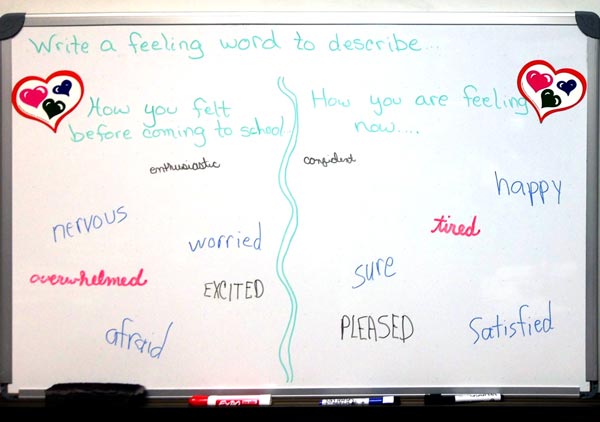 Writing a question or statement on a whiteboard and having students respond during the school day is becoming increasingly popular. It can be used as way to check in with students about a current topic and initiate discussion. Shown is one way to bring in the SGM® icons. Put this board in view after lunch on the first day of school. You may also post the SGM® Feelings Poster. Ask the students to write one word to describe how they were feeling before coming to school and one to describe how they currently are feeling...


Story Grammar Marker Summer Reading List
 As I was inside during a recent heat wave here in Massachusetts, I decided to review our new Blog Index on our MindWing Concepts website. There is such wonderful information available free of charge —lessons, webinars, downloadable files and technology resources to use in combination with this developmental tool! If you are new to SGM or experienced in our methodology, take some time from your summer to browse through our blog pages. Since I was looking for resources today to use with a student for lessons involving the Complete Episode, I thought I would share these 10 with you...


Kindergarten Activity: In the Tall, Tall Grass
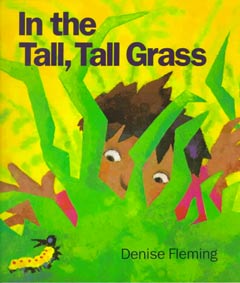 In the Tall, Tall Grass by Denise Fleming has always been a favorite of mine to use with kindergarten students. It follows the perspective of a caterpillar on a journey in the tall, tall grass. I found it especially helpful to reinforce the Action Sequence, Stage 2, of narrative language development, shown below from Braidy the StoryBraid manual. The pictures below show a center activity that proved very popular with the students. The icon templates were obtained from pages 140-141 of the Braidy the StoryBraid manual. 1. I made a pocket folder for all the materials to be stored in out of green construction paper, folding it in half and cutting the “grass” along one end. 2. I cut out the star icon from page 140 of the manual...


February is Black History Month — Lesson 3
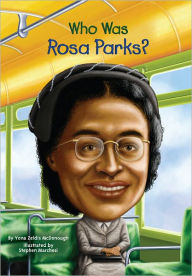 Having just read the biography Who Was Rosa Parks? written by Yona Zeldis McDonough, I gathered five of my favorite SGM Mini-Posters and sat down to create some lessons based upon this wonderful book for elementary school students. The blending of both narrative and expository text structures in this book makes it especially valuable to teach and reinforce the differences in text structures. It would make a wonderful informative read aloud as well as for use with individual student for reports and sharing. The Lexile measure is 700. The author includes two timelines, one showing Rosa Park’s life and the other corresponding to world events of the same years. This is especially helpful to relate to the setting of the biography...


SGM Setting Activity with Younger Students
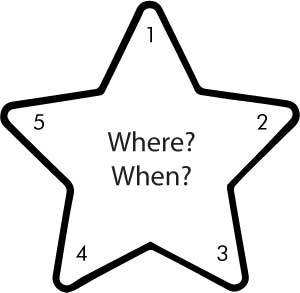 As we know, the Story Grammar Marker®’s design reflects the research connecting language and literacy. The icons represent the components of narrative discourse, an underpinning of literacy. Teaching the SGM® icons and their meanings will provide students with a scaffold to organize their thoughts in a meaningful way to communicate orally and in writing. Continuing with our setting ideas, today we offer one to reinforce the Star icon which represents the Setting, the where and when a story takes place. For those of you new to using SGM®, the Star was chosen as the icon for the Setting because sailors...


Part 3: “Hilda Must Be Dancing” and “Giraffes Can’t Dance” — Compare/Contrast (cont.)
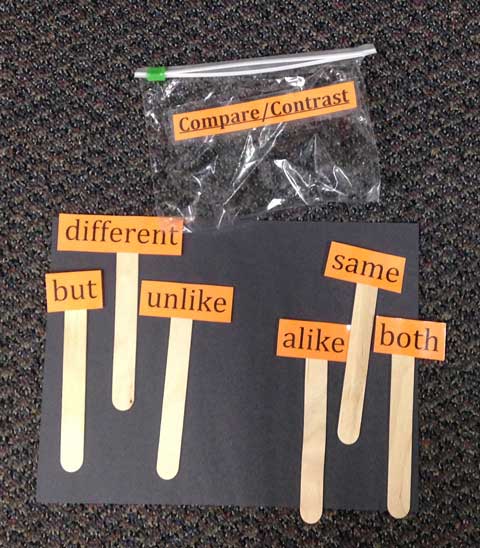 Give each child a completed map identical to the one on your white board and on the reverse side have ready a map with just a blank template for drawing.
Ask the children to look at the side with the text and review the compare/contrast items they came up with in the previous lesson. Make, and have ready, several baggies containing the compare/contrast words presented yesterday and ask students to place them in front of them, as shown.


A Trip Down Memory Lane: Feelings and Character Description Using a Classic Golden Book
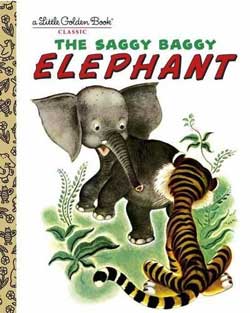 The Saggy Baggy Elephant, written by K. and V. Jackson, was first published in 1947 as part of many tales in the Little Golden Book series. I was recently reminded of this story when my neighbor’s grandson brought it to me to share. First published in 1942, Little Golden Books were created as an affordable choice of books that appealed to children. The books originally sold for 25 cents (www.randomhousekids.com/
goldenbooks) each. These books are still readily available to children, and, as of 2002, over 2 billion Little Golden Books were in print.
The following is The Saggy Baggy Elephant outlined as a basic complete episode...


Exploring Expository Continued: Descriptive Map Activity
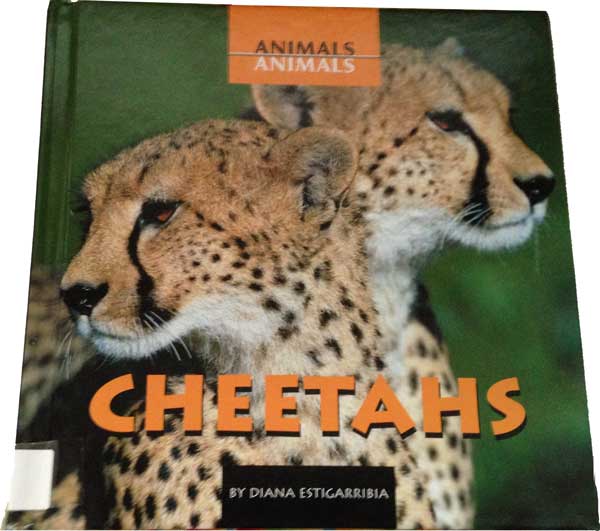
We are often asked which books/materials to use with the SGM® and ThemeMaker® maps. Although there are many suggestions given in our manuals, the answer is: any selection that you are using will work! The strength of the SGM/ThemeMaker lies in the fact that it is a flexible approach that adds needed scaffolding to make text, whether narrative or expository, assessable to all students.
A recent post, Exploring Expository Text Using the SGM Descriptive Map (August 12, 2015), focused on transitioning from the Narrative Character Map to the Expository Character Descriptive Map.
It’s an Armadillo! written by Bianca Lavies was the text chosen for that first post. Today, we present an extension of this Descriptive Map activity with the topic of cheetahs, which we have presented whole group in grades 2-4. You may modify to meet your needs...


Foldables and Stamps Activity
 Creating foldables is one way to make reinforcing the SGM icons an enjoyable experience. Using a flipbook and our Icon STAMPede Stamp Activity Set is a versatile way to engage students. There are a variety of flip book ideas online which may be adapted to this activity and the stamps make it easy for students themselves to create their own booklets during centers.
The Basic Flip Book/STAMPede activity…
- Decide which icons you would like students to work on… this will vary by what you want to reinforce with your students
- Place as many sheets of paper as needed, one on top of the other...


Exploring Expository Texts Using the SGM Descriptive Map
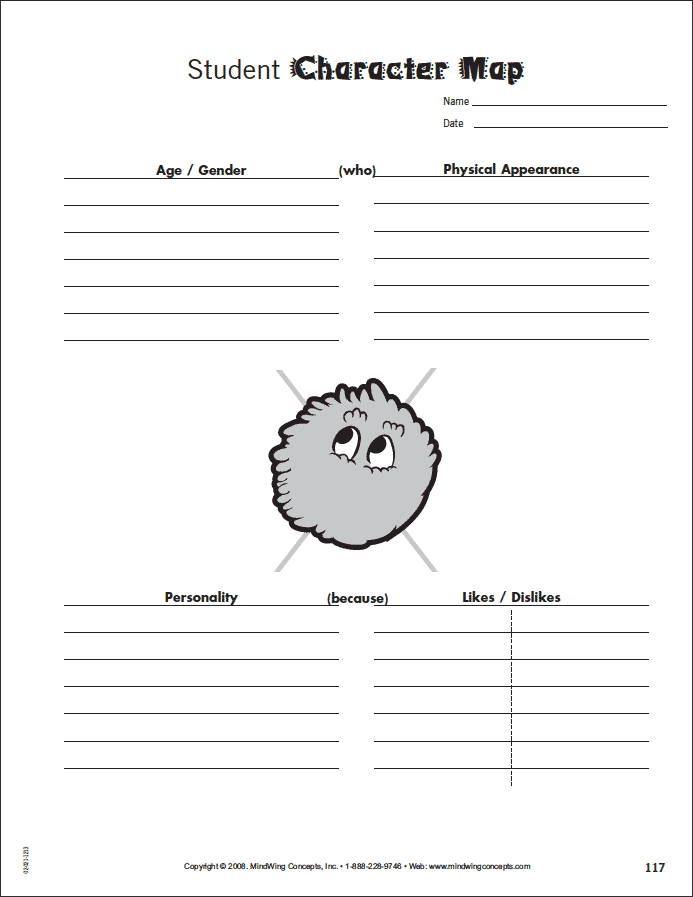
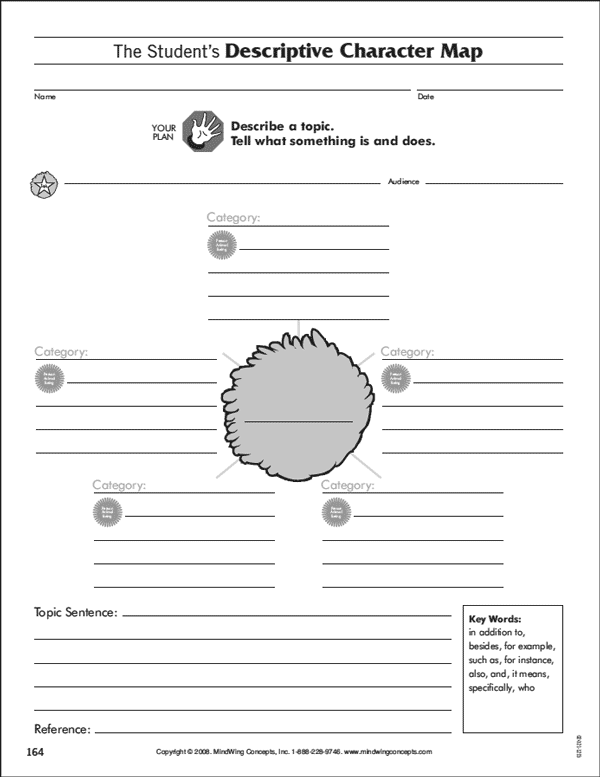 Several lessons on characters and settings have been presented in past blog entries. Increasingly, children are asked to take informational selections and summarize what they have learned. There is a great need to help students find ways to organize and express expository texts. We have found it helpful to take the time to transition from the use of the Character Map—that the children are already familiar with—to the Descriptive Expository Map. Begin by showing your students the Character Map and the Descriptive Map.


PART 2: Feelings, Perspective Taking, Theory of Mind, Empathy and Mr. Hatch!
 A recent (February 20) MindWing blog contained a link to our Feelings Mini-Poster and a new feelings activity that included a partially completed template unique to The Snow Walker and a blank template for use with other stories of your choice.
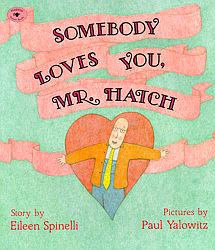
The Snow Walker activity used the template with multiple Characters and their perspectives. Today, we will use this same template with a variation to the activity, using it with one Character and multiple Kick-Offs. This will reinforce the concept that a Character has a Feeling in response to a Kick-Off. Our ultimate goal is to lead students to an understanding of the Critical Thinking Triangle. Continuing today from the previous blog with the picturebook Somebody Loves You, Mr. Hatch we have provided the following partially completed template for today’s activity.
Part 3: Feelings, Perspective Taking, Theory of Mind, Empathy and Mr. Hatch!
 Our last blog focused on Mr. Hatch’s feelings in response to three separate kick-offs
 from Somebody Loves You, Mr. Hatch.
We used the new Feelings/Kick-Off Map (below) and looked at the back of the Feelings mini-poster for an additional activity that would lend itself to a center activity. Our goal is to develop an understanding of the relationship between the kick-off and feelings of characters that ultimately leads to an awareness of the critical thinking triangle, which motivates the actions of characters. Today, we will expand on our feelings activities...


Feelings Activities with Dr. Seuss “Cat in The Hat” and “Marco Comes Late”
 As you know, March 2nd is the birthday of Dr. Seuss. He was born right around the corner from our MIndWing office here in Springfield, MA. Yesterday, I visited the Springfield Library to get a copy of The Cat and The Hat so I could share a lesson suggestion related to feelings. Along with that book, I found a copy of Horton and the Kwuggerbugs and Other Lost Stories. These stories were originally published in Redbook magazine between 1950-1955. Charles Cohen, a collector of all things Seuss, put together four of these selections in this book. Following The Cat and The Hat activity is an SGM analysis of one of those stories: “Marco Comes Late”...


Teaching Perspectives with “Grumpy Groundhog”
 Last year, we got a lot of great feedback on our Groundhog Day blog, “6 Books and Activity for Groundhog Day.” Teachers seemed to especially like the last idea included in the blog, describing the groundhog’s burrow (from a List Map to a setting project, to sharing aloud). Check out last year’s blog if you haven’t seen it already! I came across another book presented in rhyme for Groundhog Day, Grumpy Groundhog written by Maureen Wright and illustrated by Amanda Haley. Below are a few ideas to use with this selection...


Spiders! 5 Books, Resources and Activities
 As so often happens when I see a certain book or project, it reminds me of particular lessons that I taught while teaching at the former Juniper Park School in Westfield, MA. A recent display of books on spiders at our local library did just that. Below are some ideas on spider-related books that you may want to try this summer or tuck them away in your files for future use. In addition to other resources, several of the selections below are Anansi trickster tales which were first told by the Ashanti people in Ghana. We begin our lesson suggestions with one of the Anansi stories adapted and retold by Eric A. Kimmel and illustrated by Janet Stevens. These were always popular with second and third graders. I liked to use them to reinforce the SGM® complete and interactive episodes and character traits...
“Frosty the Snowman” Lesson: Part 2, Writing
 Below is one example of a collaborative effort that we used in January of first grade: a time when we were ready to begin more formal writing activities using SGM/Braidy. The SGM® or Braidy® Character Map is a wonderful scaffold for student use. The categories had already been introduced and were familiar to kindergarten and first grade students with the many activities/lessons we had previously done. January was our time to formally model how to use the complete map to write a basic character description in first grade...


Winter-Themed Lessons with Picture Books Featuring “Snowmen At Night”
 If you are looking for a delightful book to go along with cold, snowy weather, check out one I came across the other day, Snowmen at Night, written by Caralyn Buehner and illustrated by Mark Buehner. After a little boy notices that the snowman he built the day before looks a bit different, he begins to wonder what snowmen actually do at night. That is the kick-off of this rhyming story. The story is presented as a series of actions of the many activities of snowmen at night! It would be an ideal selection to use with Braidy the StoryBraid Doll...


Sequencing and Perspective-Taking with “The Very Cranky Bear”
 “In the Jingle Jangle Jungle on a cold and rainy day, four little friends found a perfect place to stay.” Thus begins our journey with Zebra, Moose, Lion, Sheep and Bear! The Very Cranky Bear by Nick Bland is a delightful presentation in rhyme which will surely entertain Pre-K–Grade 1 students. I am reminded of my teaching mentor, Gail O’Connor. She was so skilled at taking stories and adding simple props, then letting students add their own touches to characters! Following are a few activities that may be presented; modify to meet the needs of your students...


How To Use “Narwhal Makes A Sandwich” to Teach Story Structure & Information Text
 Maryellen recently received a very special package at her MindWing office in Springfield, MA. Inside was a lovely note along with a recently published children’s book, Narwhal Makes a Sandwich. This book is written by Laura Addington, a Speech Language Pathologist, and Aryn Franklin, an Occupational Therapist, and illustrated by Tara Put, also a Speech Language Pathologist. As written in the note, they used the Story Grammar Marker® to scaffold their story! We thought you would enjoy this selection outlined as a Complete Episode...


5+ Books for Summer
 When my children were young, one of our favorite summer pastimes was a weekly trip to our local library here in Springfield, Massachusetts. A recent visit reminded me to check out the many interesting programs available for children as well as adults. We are so fortunate! I remember teaching in the classroom and having a much anticipated visit from our city’s librarian who went over the many options for summertime fun. During my days as camp counselor, a walk with the campers to our local library was always on the agenda! A friend of mine who will be teaching elementary school this summer and I visited our local branch library to check out books for her to use to review SGM components with her students. The following are a few of the choices we made...


“Featuring” Expression of Feelings Using Feeling-Frames
 During Maryellen’s last two webinars, Story Grammar Marker: 2 Key Things That Set It Apart and 5 Elements of the Critical Thinking Triangle in Action!, she used a feeling-frame with the boys who participated in the lesson to highlight how characters were feeling and what they were thinking in the story, Those Shoes by Maribeth Boltz. The frames have been particularly motivating with students. They can be easily made using tongue depressors and popsicle sticks. Craft stores carry colorful ones in various sizes. We have found the easiest way to hold them together is with glue dots, also available in craft stores. These activities would go nicely with our new product, The Critical Thinking Triangle in Action! and are very adaptable to students and materials!


Series of Lessons with The Little Red Hen
 One of my favorite series of lessons which I taught at the former Juniper Park School in Westfield, Massachusetts, involved the folktale The Little Red Hen. I used three versions of this folktale; one retold by Paul Galdone, one by Margot Zemach and the third by Alan Garner. The use of these books supports the six CCSS standards listed in this blog...


SGM Summer Reading List: Part 3, Setting
I hope you have been able to browse through our recent blogs: SGM Summer Reading List, Part 1 (Complete Episode) and Part 2 (Character). We have received several comments from people who thought both were so beneficial in demonstrating the depth of the Story Grammar Marker®. The SGM® is based upon research showing that strengthening oral narrative discourse skills improves comprehension and writing competency. Today’s blog features past selections with the focus on the SETTING...


Activity for a Field Trip: Big Red Barn
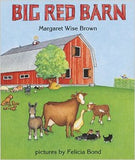 This time of the school year always reminds me of the many field trips I chaperoned while teaching kindergarten. The Zoo in Forest Park, Springfield, MA, was always a favorite, with a train ride around the park as our closing activity. We were fortunate to also have a beautiful park close by to our school, Stanley Park in Westfield, MA; a popular mini-trip within walking distance. The activity I am sharing today is one of 70 mini-lessons presented in the Braidy the StoryBraid® manual that we used when preparing for a farm trip to The Gran-Val Scoop in Granville, MA. As the name implies, the children were able to have a special treat of dairy-farm-made ice cream! Also included is a follow-up activity that we did on our return and a suggested extension activity...


Analyze 5th Grade Writing
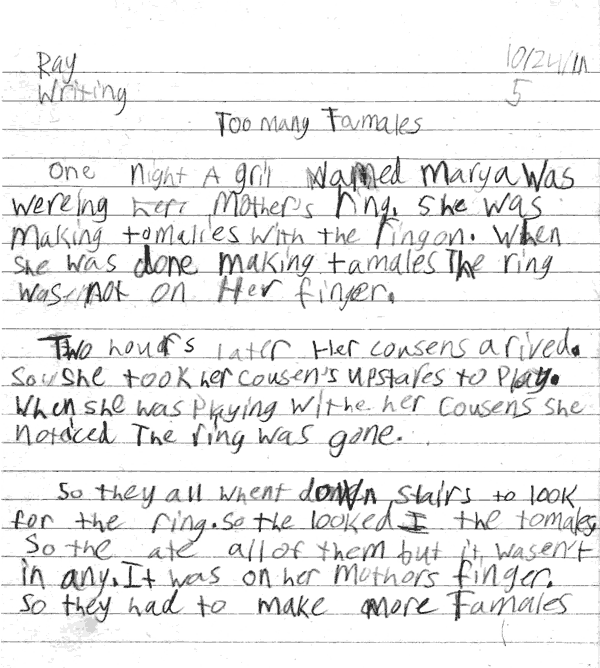 Recent blogs showed Maryellen’s analysis of a third-grade written retelling of Too Many Tamales. Included in those blogs is a copy of the actual sample, a typed version of the sample, an analysis, and conferencing suggestions to use during the Writing Process. In this new blog, we look at another sample of a written retelling of Too Many Tamales; this time from a fifth-grade student, Ray. We invite you to analyze his writing and at the end of this week, Maryellen will provide her analysis and talking points for conferencing.


Fun Activity to Reinforce the “Kick-Off”
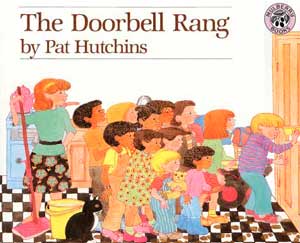
The Doorbell Rang by Pat Hutchins has been a popular book used to teach sharing and fractions in elementary school. If you are not familiar with the story, Ma bakes a batch of a dozen cookies to be shared by her two children. However, as they sit down to enjoy the treat, the doorbell begins to ring with friends dropping by. Each time, the cookies must be divided up to share! The ending is quite a surprise! We have found this book to be an excellent way to reinforce the Initiating Event or “Kick-Off” icon of a story, especially in first grade. All you will need is the book and a “Kick-Off” icon taped to the end of a Popsicle stick, one for each participant...


Another Classic: Dr. Seuss’ The Sneetches
 A previous blog (“Read Across America Day and Dr. Seuss Lesson,” 2/29/16) focused on the biography about Dr. Seuss. One of his selections mentioned was The Sneetches, published in 1961. Written during the 1960s during the civil rights struggle, this book demonstrates conflict between star-bellied Sneetches and those Sneetches who did not have stars. In a biography, it was stated that Ted Geisel showed through this story how he thought it was silly for people “to hate one another because they looked different” (p. 81, Who Was Dr. Seuss? by Janet Pascal). Below find The Sneetches outlined using five of the seven SGM Developmental Stages...